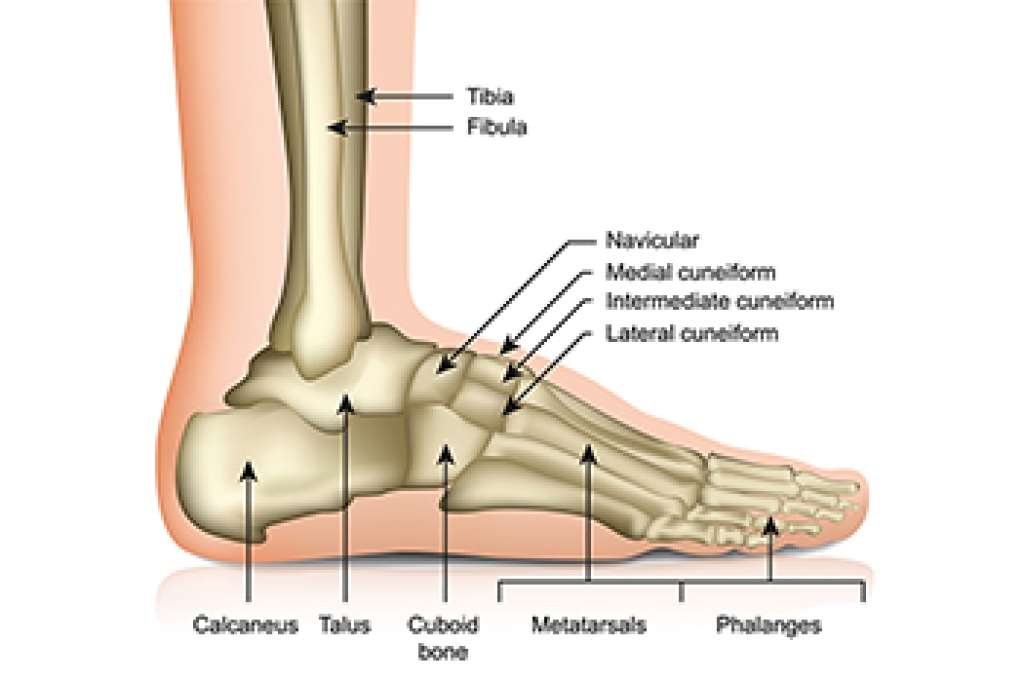
 Doctors that treat various disorders and conditions of the feet are known as podiatrists. It is considered to be a specialized form of medicine, and research has indicated that certain foot ailments may be indicative of existing medical concerns that are present in the body such as diabetes. A podiatrist is responsible for furnishing patients with consultations, properly diagnosing foot conditions, and may also provide foot and ankle surgery. Mandatory schooling consists of earning a bachelor’s degree, followed by obtaining a doctorate from an accredited college. This is generally completed in four years, after which a three year podiatric residency must also be completed . Many podiatrists choose to practice in hospitals, become part of a group practice, or may work independently. For people that are interested in pursuing a career in podiatry, it is suggested that you consult with a podiatrist to answer any questions you may have.
If you are dealing with pain in your feet and ankles, you may want to seek help from a podiatrist. Feel free to contact Dr. George Yarnell from Pennsylvania. Our doctor can provide the care you need to keep you pain-free and on your feet.
What Is a Podiatrist?
A podiatrist diagnoses and treats conditions of the foot, ankle, and related structures of the leg. Your podiatrist may specialize in a certain field such as sports medicine, wound care, pediatrics, and diabetic care. Podiatrists have the ability to become board certified through training, clinical experience, and then taking an exam.
What Do Podiatrists Do?
On a daily basis, a podiatrist may perform the following activities:
- Diagnose foot ailments such as ulcers, tumors, fractures, etc.
- Use innovative methods to treat conditions
- Use corrective orthotics, casts, and strappings to correct deformities
- Correct walking patterns and balance
- Provide individual consultations to patients
It is very important that you take care of your feet. It’s easy to take having healthy feet for granted, however foot problems tend to be among the most common health conditions. Podiatrists can help diagnose and treat a variety of feet related conditions, so it is crucial that you visit one if you need assistance.
If you have any questions, please feel free to contact our office located in Lansdowne, PA . We offer the newest diagnostic and treatment technologies for all your foot care needs.